
When Strength Includes Rest
You were never meant to burn out to prove your worth. You are not a machine; you are a sacred vessel of breath, bone, memory, and spirit. And yet, our modern culture, which is loud, fast, and endlessly demanding, has conditioned us to believe that resilience means overriding our limits and staying silent about our exhaustion.
Let me tell you something radical and real: true strength includes rest. Rest is not weakness. Boundaries are not selfish. Pacing is not failure. It is time to dismantle the cultural myth that depletion is a badge of honor.
⚡ Key Takeaways: Redefining Strength and Rest
- Hustle as survival: Equating self-worth with endless output often stems from systemic conditioning or ancestral survival patterns, not true capacity.
- Rest as nervous system recalibration: Rest interrupts cycles of overextension, allowing the autonomic nervous system to shift out of chronic stress into cellular repair and grounding.
- Sustainable resilience: Genuine strength includes rest, energetic boundaries, and cyclical pacing rather than constant self-sacrifice.
The Cultural Lie of Constant Hustle
From an early age, many of us especially those carrying ancestral trauma, systemic burdens, or the responsibility of being the “strong one,” are taught to equate worth with output. We learn to override the signals of our body. We ignore the trembling in our voice that says “no,” and keep going, even when our inner being begs for stillness.
This is not strength. This is survival mode, and it has an expiration date.
True strength is choosing to listen to your body’s wisdom. True grit is saying, “I’m allowed to rest.” True grace is setting a boundary and letting the chips fall where they may.
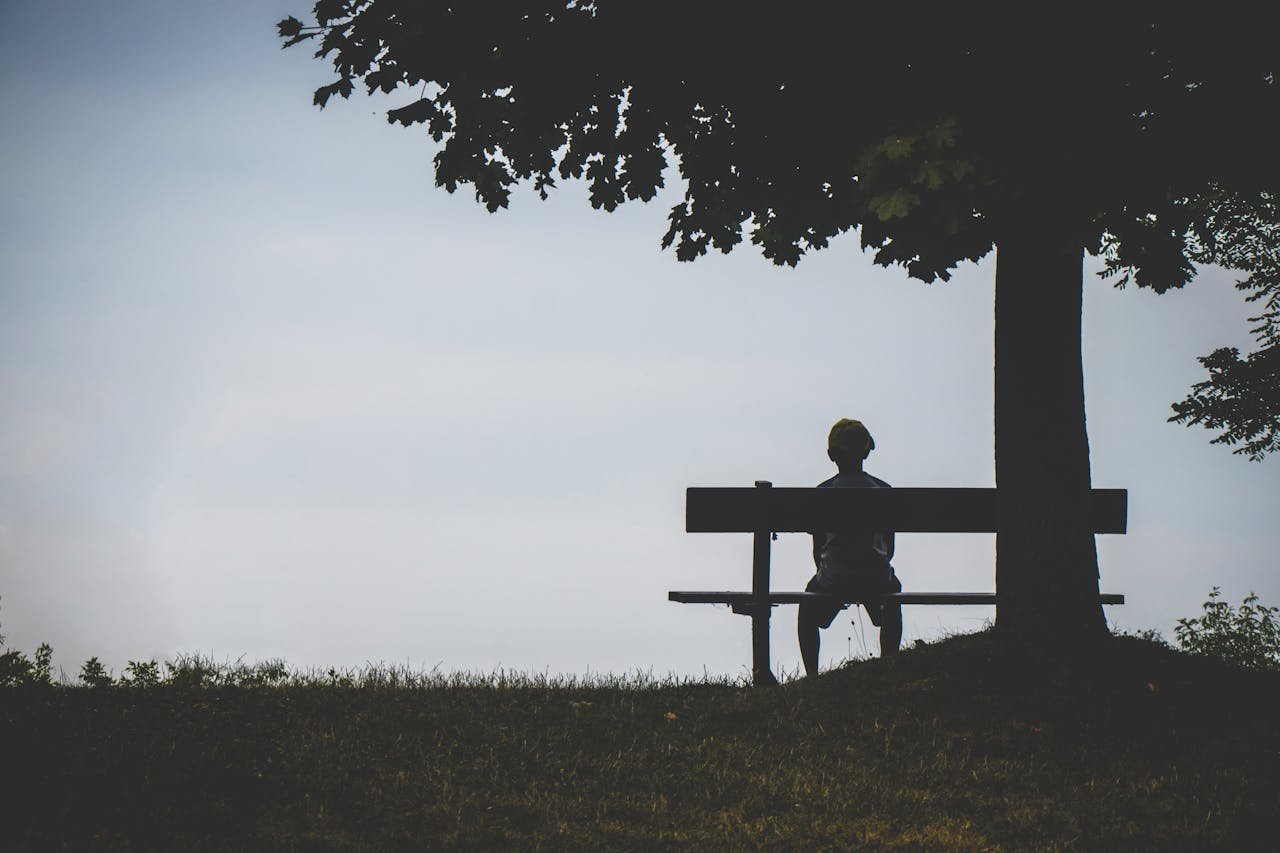
Redefining Resilience: Why Strength Includes Rest
Rest is resistance
In a world that profits from your burnout, reclaiming rest is a revolutionary act. It interrupts cycles of overextension, codependency, and self-abandonment. Rest allows the nervous system to recalibrate, the heart to soften, and the mind to reconnect with intuition.
Boundaries are sacred fences
They are the energetic fences that protect your time, your truth, and your tenderness. Setting boundaries isn’t about keeping people out, it’s about keeping you intact.
Pacing is wisdom in motion
Not everything needs to be healed, done, or fixed today. Slow, sustainable growth honors the cyclical nature of life. There is strength in staying aligned with your capacity, not society’s timeline.
3 Embodied Rituals for Grit & Grace
1. The Sacred No
Choose one request, invitation, or expectation you’ve been saying “yes” to out of obligation. Today, say “no” with love and clarity. Journal about how it feels in your body to choose yourself.
2. The 20-Minute Stillness
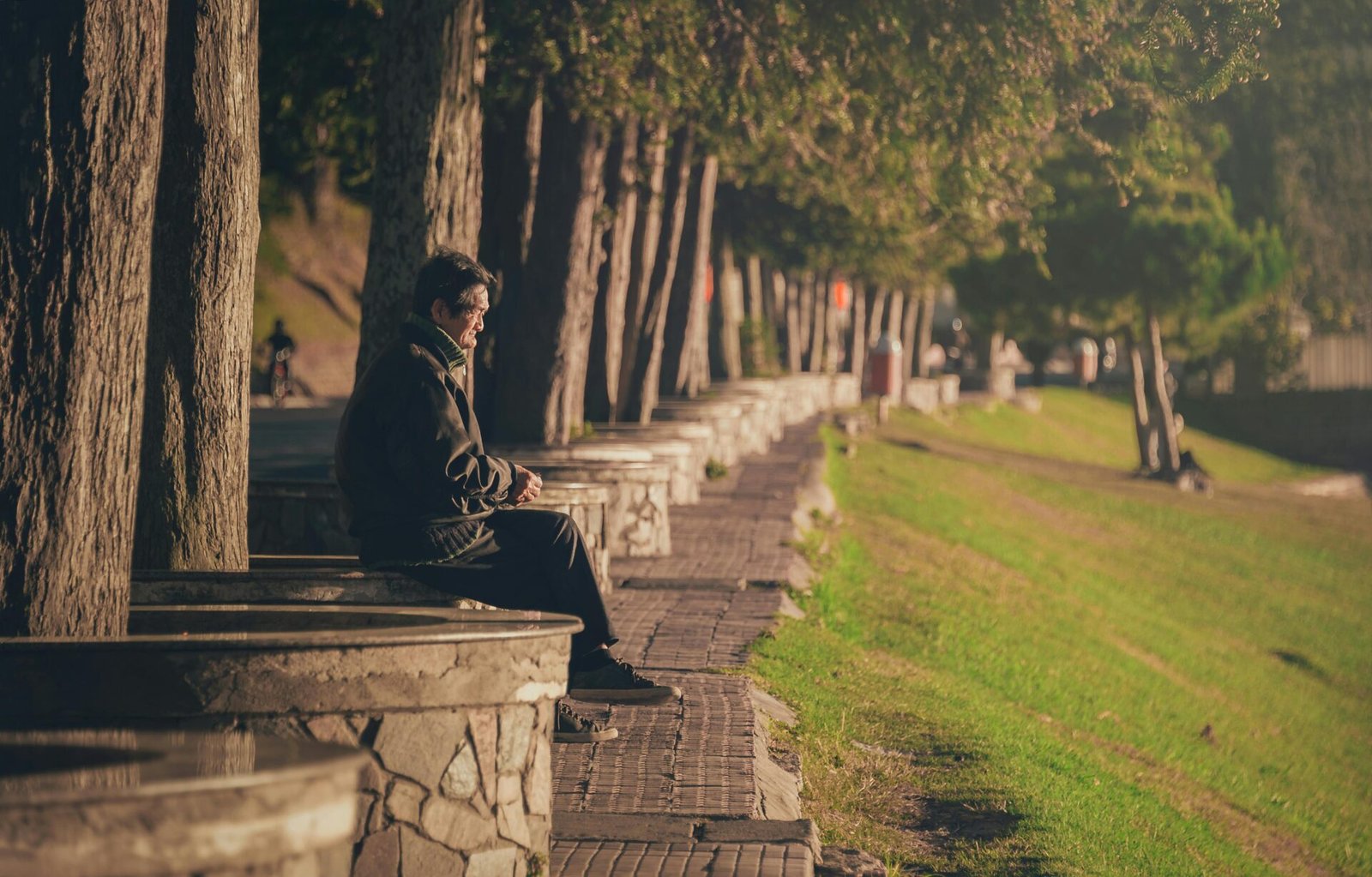
Carve out 20 minutes in your day for no screens, no multitasking. Just be. Lie down. Breathe. Feel your weight supported by the Earth. Let this be a ritual of remembering, you don’t need to earn your rest.
3. The Boundary bath
Run a warm bath or shower. As you wash your body, speak out loud the boundaries you are claiming. Example: “I release urgency. I honor my pace. I do not betray myself for acceptance.” Let the water seal your declaration.
The Torchbearer’s Path: Holding Light Without Depletion
As a Torchbearer, you hold light for others but not at the cost of your own flame. You don’t have to dim yourself to be kind. You don’t have to sacrifice your well-being to be strong. Your healing doesn’t need to be fast to be real.
Remember: your power is not just in how much you carry. It’s in knowing when to set it down.
F.A.Qs.
Why does true strength include rest?
True strength includes rest because the body and nervous system require recovery to maintain physical health, mental clarity, and emotional resilience. Pushing through chronic fatigue leads to collapse, whereas rest restores your capacity to lead and heal sustainably.
Why do I feel guilty when taking a break?
Guilt during rest is typically a conditioned response learned from a hustle-oriented culture or past environments where your value was tied strictly to productivity. Your nervous system perceives inactivity as a vulnerability rather than a biological necessity.
How do energetic boundaries protect against burnout?
Energetic boundaries act as deliberate parameters around your time, energy, and capacity. They prevent overextension and emotional depletion by ensuring you do not sacrifice your internal stability to meet external demands.
Self-Reflection Prompt
Where in your life have you mistaken depletion for devotion? What would shift if you believed that rest is not a pause from your strength, but part of it?
You’re allowed to heal at your own pace. You’re allowed to rest. And you are still powerful.